Imagine a smartphone that doesn’t just compete it dominates. The Oppo Find X8 Ultra bursts onto the 2025 scene like a thunderbolt, challenging giants like Samsung and Apple with raw innovation. Announced in April 2025, this device packs a Snapdragon 8 Elite chipset, a massive 6100mAh battery, and a camera array that turns everyday snaps into professional masterpieces. But does it live up to the hype?
In this deep dive, we explore every angle: from its sleek design to blistering speed and unmatched zoom capabilities. If you’re hunting for the best Android flagship phone of 2025, the Oppo Find X8 Ultra might just steal your heart and your wallet. Let’s unpack what makes this phone a game-changer.
Sleek Design Meets Rugged Durability
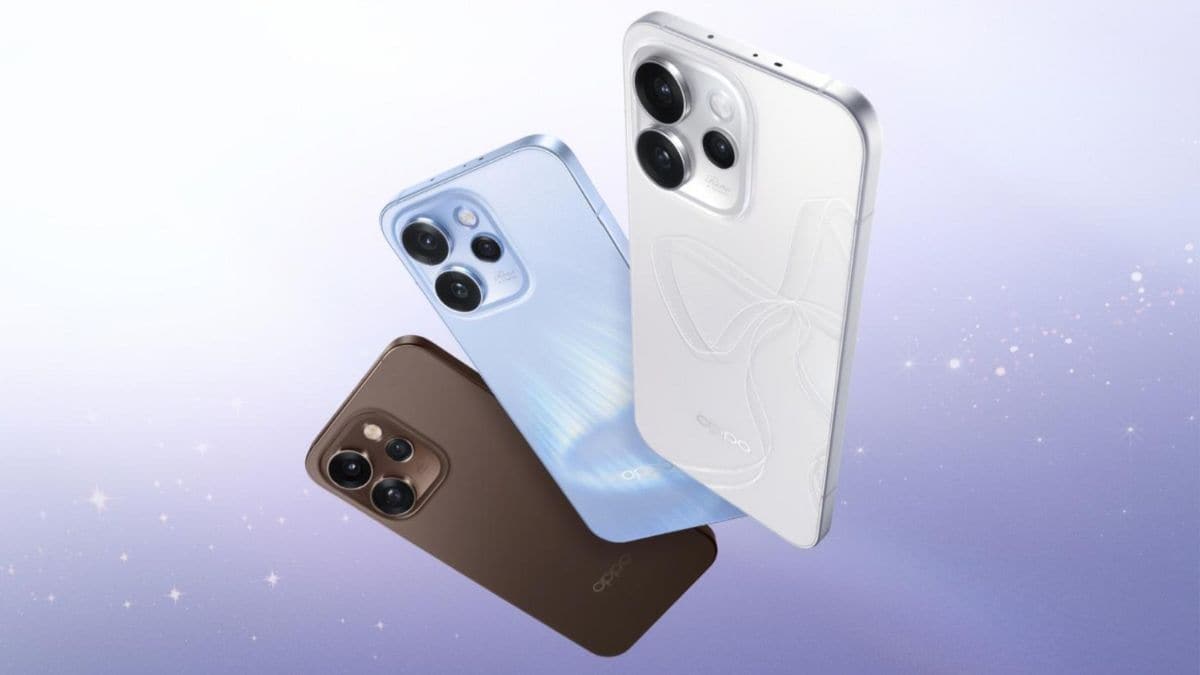
Oppo nails the balance between premium feel and practicality with the Find X8 Ultra. At 163.1 x 76.8 x 8.8mm and 226g, it slips into your pocket without bulk. The flat aluminum frame pairs with a frosted glass back in Matte Black, Pure White, or Shell Pink—colors that resist fingerprints and add a subtle luxury touch.
What stands out? The Cosmos Ring camera module. This circular housing cradles four lenses but protrudes slightly, which might nudge your grip during one-handed use. Yet, Oppo counters with IP68 and IP69 ratings, meaning it shrugs off dust and survives high-pressure water jets or 1.5m submersion for 30 minutes.
Add a customizable Action Shortcut button on the side—think iPhone’s Camera Control but more versatile. Double-press to launch apps, swipe for quick actions. It’s a small tweak that boosts daily efficiency. Overall, the build screams flagship quality, blending elegance with toughness.
A Display That Dazzles in Any Light
Flagship phones live or die by their screens, and the Oppo Find X8 Ultra’s 6.82-inch LTPO AMOLED panel sets a new bar. With 1440 x 3168 resolution and 510ppi density, images pop with razor-sharp clarity. The 120Hz refresh rate ensures silky scrolling, while 1-120Hz adaptive tech saves battery without sacrificing smoothness.
Brightness hits 800 nits typical, 1600 nits in high brightness mode, and a peak of 2500 nits—plenty for outdoor visibility on sunny days. Features like Dolby Vision, HDR10+, and Ultra HDR support make streaming Netflix or editing photos a joy. PWM dimming at 2160Hz reduces eye strain during late-night scrolls.
Compared to rivals, it edges out the Google Pixel 9 Pro XL’s 6.8-inch display in color accuracy but trails the Samsung Galaxy S25 Ultra’s 2600-nit peak. Still, Corning Gorilla Glass protection keeps scratches at bay. This screen isn’t just big—it’s immersive and intelligent.
Performance That Powers Through Anything
Under the hood, the Snapdragon 8 Elite (3nm) chipset roars to life. Paired with 12GB or 16GB LPDDR5X RAM (expandable to 28GB via virtual RAM) and up to 1TB UFS 4.1 storage, it handles multitasking like a pro. Launch apps in a blink, switch between 20 tabs seamlessly, or game for hours without stutter.
Oppo tunes it with ColorOS 15 on Android 15, delivering fluid animations and zero lag. The ultrasonic under-display fingerprint scanner unlocks in milliseconds, faster than optical rivals. Face unlock adds convenience, though it’s not as secure as biometrics.
Benchmark Breakdown: Raw Power in Numbers
Benchmarks tell the story. Here’s a quick table comparing the Oppo Find X8 Ultra to key 2025 flagships:
| Benchmark | Oppo Find X8 Ultra | Samsung Galaxy S25 Ultra | iPhone 16 Pro Max | Google Pixel 9 Pro XL |
|---|---|---|---|---|
| Geekbench 6 Single-Core | 3039 | 3137 | 3400 | 2900 |
| Geekbench 6 Multi-Core | 9346 | 9769 | 8500 | 8800 |
| 3DMark Extreme High | 6528 | 6200 | N/A | 5800 |
| AnTuTu v10 | 2,710,432 | 2,650,000 | N/A | 1,200,000 |
The Oppo shines in graphics-heavy tasks, thanks to the Adreno 830 GPU. It crushes Genshin Impact at max settings for 12+ hours. Heat management stays cool under load—no throttling here. For creators, RAM expansion means editing 4K videos on the fly without crashes.
The Camera Revolution: Photography Redefined
Oppo partners with Hasselblad again, but the Find X8 Ultra’s quad 50MP setup takes it further. It’s not just specs—it’s a system built for pros and enthusiasts. The 1-inch type main sensor (f/1.8, 23mm) captures insane detail and dynamic range, even in low light. Dual-pixel PDAF and OIS lock focus fast, freezing motion like a DSLR.
Zoom steals the show with dual periscope lenses: 3x optical (70mm, f/2.1) for portraits and macros as close as 10cm, and 6x (135mm, f/3.1) for distant subjects. Hybrid zoom hits 120x without mushiness up to 10x. The 50MP ultrawide (120° FOV, f/2.0) nails landscapes, though colors run cooler than the main.
A unique True Chroma sensor analyzes light in nine channels for spot-on whites and skin tones. The HyperTone Engine uses AI for natural edits—no over-sharpening. Selfies? The 32MP front cam (f/2.4) delivers sharp, vibrant shots with HDR.
Video pros will love 4K@60fps (up to 120fps in tests) with gyro-EIS for steady footage. Dolby Vision and 10-bit color make it cinema-ready. DXOMARK scores it top for autofocus reliability.
Camera Specs at a Glance
| Lens Type | Resolution | Aperture | Key Features |
|---|---|---|---|
| Main (Wide) | 50MP | f/1.8 | 1-inch sensor, 2x lossless zoom, OIS |
| Ultrawide | 50MP | f/2.0 | 120° FOV, PDAF |
| Telephoto 3x | 50MP | f/2.1 | Periscope, 10cm macro, OIS |
| Telephoto 6x | 50MP | f/3.1 | Periscope, 35cm min focus, OIS |
| Front | 32MP | f/2.4 | PDAF, HDR |
In real-world tests, it outperforms the iPhone 16 Pro Max in zoom versatility and the Galaxy S25 Ultra in low-light video. Example: Shooting a concert from the back row? 6x optical pulls crystal-clear faces without noise. It’s the best camera phone of 2025 for versatility.
Battery Life and Charging: All-Day Endurance
Tired of mid-day top-ups? The 6100mAh silicon-carbon battery laughs at that. It lasts 8 hours 56 minutes in mixed use—23 hours browsing, 11 hours video, 12+ hours gaming. That’s better than the Galaxy S25 Ultra’s 8 hours or Xiaomi 15 Ultra’s 7.5 hours.
Charging? 100W wired hits 98% in 30 minutes—full in 32. Grab a 50W wireless pad for cable-free speed, or reverse charge earbuds at 10W. No bloat here; it’s efficient power for power users.
Software Smarts and Everyday Features
ColorOS 15 feels fresh on Android 15. Customize themes, gestures, and even expand RAM. AI tools like scene recognition in the camera shine, though some (like voice assistants) skew Chinese-market. Google services integrate smoothly for global users.
Expect 5 years of OS updates and 6 years of security patches—Oppo commits long-term. Stereo speakers pump loud, bassy audio without distortion, rivaling Sony levels. Haptics vibrate precisely, enhancing typing and gaming.
The IR blaster controls your TV, NFC handles payments, and satellite SOS (in select models) saves lives in remote spots. It’s packed with thoughtful touches.
Pros and Cons: The Honest Breakdown
No phone’s perfect. Here’s a balanced view:
| Pros | Cons |
|---|---|
| Epic battery life (6100mAh) | China-exclusive availability |
| Blazing-fast 100W charging | Ultrawide colors slightly cool |
| Best-in-class camera zoom | Camera bump affects grip |
| Snapdragon 8 Elite power | AI features limited globally |
| Vibrant, bright display | No 3.5mm jack or microSD |
| Premium IP69 build | Software lacks iOS polish |
These trade-offs? Minor for most. The pros dominate, especially for photographers.
Head-to-Head: How It Stacks Up
The Oppo Find X8 Ultra doesn’t just play in the big leagues—it leads. Against the Samsung Galaxy S25 Ultra, it wins on battery and charging speed but cedes ground in display brightness. Versus the iPhone 16 Pro Max, Android flexibility and zoom edge it out, though iOS ecosystem loyalists might stick put. The Google Pixel 9 Pro XL excels in AI editing, but Oppo’s hardware crushes pure performance.
Quick comparison table:
| Feature | Oppo Find X8 Ultra | Galaxy S25 Ultra | iPhone 16 Pro Max | Pixel 9 Pro XL |
|---|---|---|---|---|
| Chipset | Snapdragon 8 Elite | Exynos 2500 | A18 Pro | Tensor G4 |
| Battery | 6100mAh | 5000mAh | 4682mAh | 5060mAh |
| Camera Score (PhotoArena) | 160 | 165 | 155 | 152 |
| Charging (Wired) | 100W | 45W | 25W (MagSafe) | 27W |
| Price (Starting) | $1,199 | $1,299 | $1,199 | $1,099 |
It redefines value in the $1,200 segment more power per dollar.
FAQs
What makes the Oppo Find X8 Ultra’s camera stand out in 2025?
Its quad 50MP setup with dual periscope zooms and a 1-inch main sensor delivers pro-level detail and 120x hybrid zoom. Hasselblad tuning ensures natural colors, topping DXOMARK charts for autofocus.
How long does the Oppo Find X8 Ultra battery last?
Expect 9+ hours of heavy use, up to 23 hours browsing. The 6100mAh cell outperforms most flagships, with 100W charging refilling it in under 35 minutes.
Is the Oppo Find X8 Ultra worth it over the Samsung Galaxy S25 Ultra?
Yes, if you prioritize battery, camera zoom, and speed. Samsung wins on software polish and global support, but Oppo shocks with raw specs at a similar price.
Does the Oppo Find X8 Ultra support wireless charging?
Absolutely—50W wireless and 10W reverse. It needs Oppo’s proprietary pad for max speed, but it’s a lifesaver for desk setups.
Can I expand storage on the Oppo Find X8 Ultra?
No microSD slot, but it starts at 256GB and goes to 1TB. Virtual RAM expansion to 28GB handles memory needs.
When will the Oppo Find X8 Ultra get updates?
Oppo promises 5 major Android upgrades and 6 years of security patches, keeping it fresh through 2031.
Conclusion A Shockwave in Smartphones
The Oppo Find X8 Ultra doesn’t whisper—it roars. By blending Snapdragon fury, Hasselblad precision, and endurance that lasts, it redefines what a 2025 flagship can be. Sure, availability quirks and minor software tweaks hold it back from perfection, but for power users, creators, and shutterbugs, it’s a must-have.
If you’re ready to upgrade, this phone shocks expectations and delivers joy. What’s your next move—snag one or wait for the ripple effect on rivals? Drop your thoughts below.